
Home as a Place to Return To
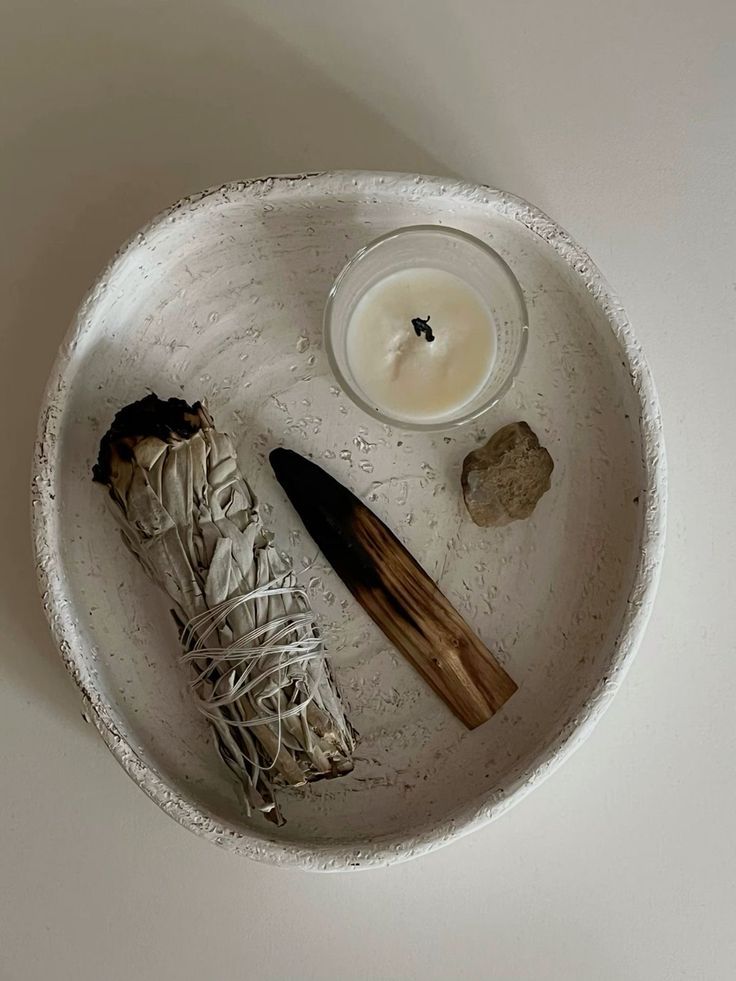
We often think of altars as something distant, sacred, and formal—hidden in temples, churches, or ceremonial spaces. But most of us already keep small altars without naming them that. A corner of your nightstand with a candle and a book. A tiny tray by the door with your keys, a stone you picked up on a trip, and the shoes you reach for every morning. A kitchen counter where flowers always find their way into a glass or jar.
These small arrangements are more than decoration. They are the places where your life pauses for a second: when you arrive, when you leave, when you wake up, when you make coffee. They mark transitions between outside and inside, noise and quiet, movement and rest. In that sense, they are already altars—spaces charged with attention, even if you’ve never called them that.
What Is a “Little Altar”?
A little altar doesn’t have to be religious. It doesn’t require rules, symbols, or anything you don’t recognize as your own. At its simplest, it is:
- A small, intentional place in your home
- Curated with a few objects that matter to you
- Visited often in the flow of your day
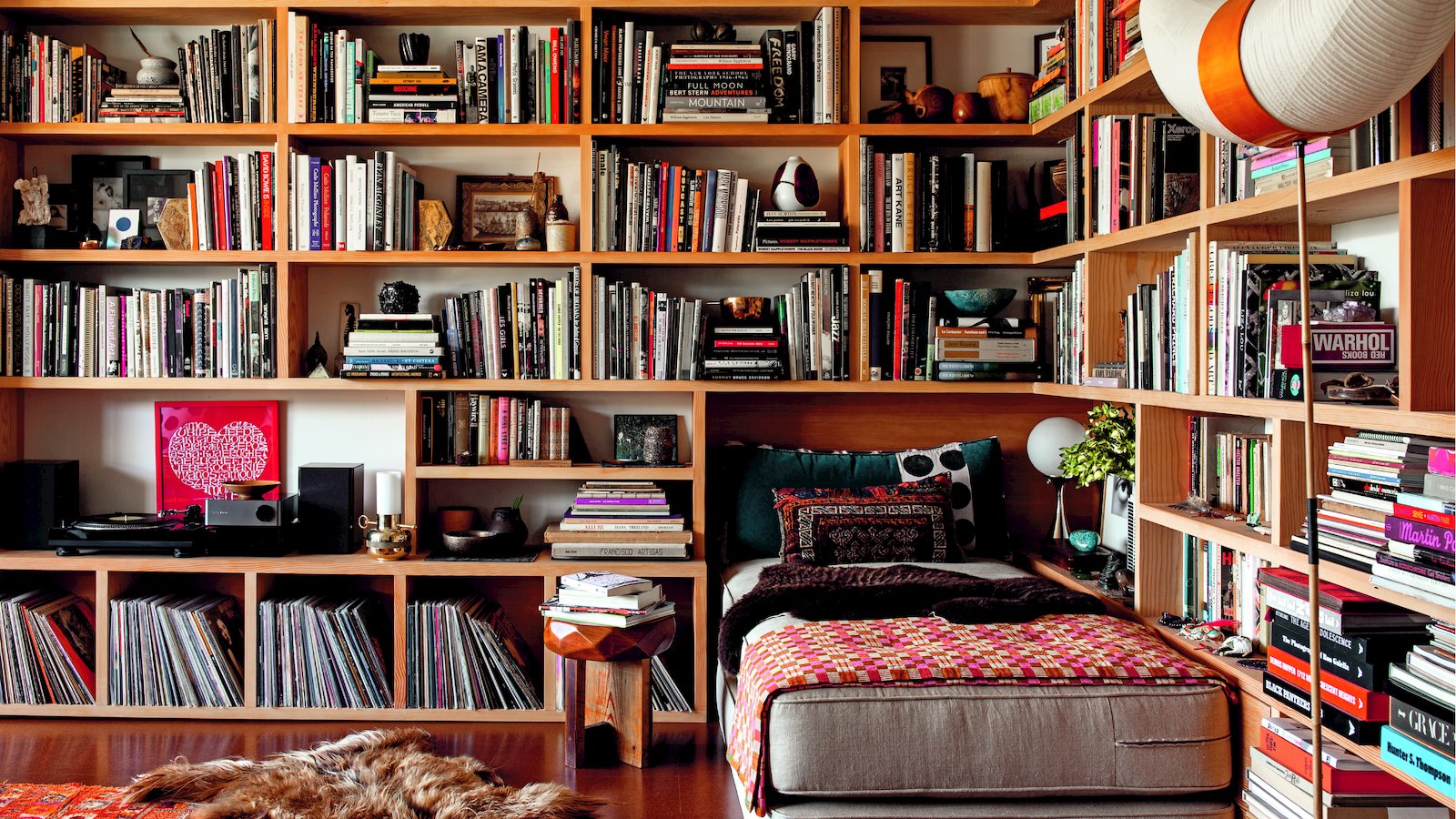
It could be the spot where you always drop your bag and shoes, the area where you prepare your favorite tea, or the corner of a bookshelf that holds photos, postcards, and a single candle. What makes it an altar isn’t how it looks, but the way you relate to it—how often you let your attention rest there.
In a world that constantly pulls us outward, these tiny places help us turn back toward ourselves, even if just for a breath.
Doorways, Thresholds and the Ritual of Leaving and Returning
One of the most powerful places to create a little altar is at the threshold between inside and outside: the entryway. It’s the last place you see before you step into the world, and the first place you see when you come back. That makes it perfect for anchoring a daily ritual.
Imagine a simple setup by the door: a small bench, a hook for your bag, a bowl for keys, a plant, maybe a photograph or small artwork that makes you feel calm. At ground level, your shoes—your huaraches, boots, sneakers—ready for the day. Every time you bend down to put them on or take them off, you pass through a tiny ceremony: leaving and returning, crossing between roles and rhythms.
Placing the pair you wear the most in this space is a way of saying: this is how I move through my life, and this is where my movement begins and ends.

Everyday Altars: Bedside, Kitchen, Desk
Once you start noticing altars, you see them everywhere. Your bedside table might already hold your essentials: a glass of water, a book, a notebook, a small object from a trip. You touch this space before sleeping and after waking—perfect moments to pause, inhale, and notice how you feel.
In the kitchen, a wooden board with fruit, a jar of flowers, and a favorite mug can become a quiet center for the day. Preparing coffee or tea becomes less of a habit and more of a tiny ritual: rinse, pour, wait. If you let yourself be fully present—even for those few minutes—your nervous system feels the difference.
At your desk, a little altar might be a stone, a candle, a small drawing, a photograph of someone who reminds you of your values. You don’t need to stare at it constantly; it’s enough to know it’s there when your mind starts to drift too far from what matters.

Choosing Objects That Feel Alive
You don’t need to buy anything to build a little altar. In fact, it feels more powerful when you start with what you already have. Ask yourself:
- Which objects in my home do I touch often?
- Which ones carry a memory I want to keep close?
- Which pieces make my shoulders drop when I look at them?
This might be a ceramic cup, a book that changed you, a shell from a beach you love, or a pair of huaraches that have walked with you through different cities. The goal isn’t to create a museum. It’s to choose a few objects that feel like companions—things that remind you of who you are and how you want to move through the world.

Movement, Rest and the Space by the Door
There is a special kind of altar that lives at floor level: the place where you keep the shoes you wear the most. Lining them up with care—rather than tossing them into a pile—is a small act of respect toward your own body and the journeys it takes.
For Espíritu, this is where the story of the huarache meets the story of the home. A pair of huaraches waiting by the door is more than footwear; it’s a promise that you’ll keep walking, keep exploring, keep returning. Taking them off at the end of the day can be its own ritual: a moment to thank your feet for carrying you, to feel the shift from public to private, from doing to just being.

Designing Rituals That Fit You
You don’t have to redesign your entire home to create little altars. You only need to notice the spots where your day naturally pauses—and add a bit of intention there. A candle where you drink your morning coffee. A bowl by the door. A photo above your shoes. A small arrangement on your desk.
Over time, these places become more than decorative corners. They turn into anchors that help you return to yourself when the world feels too fast. Little altars everywhere, quietly reminding you that your life is made not just of big moments, but of all the small, repeated gestures that shape who you are.